You’ve applied. No interview invite. Or you’ve had the interview. No offer.
There’s a clear reason for both, and it’s not your clinical knowledge. This workshop gives you the exact frameworks to fix it.
One Saturday. Three hours. Frameworks you can use right away, not after weeks more prep. The last session ran on 20 June 2026 — join the waitlist to be first in line for the next one.
2.9 → 4.5
average confidence score after one session
28
doctors in the last session
4.8/5
content helpfulness rating
28
previous attendees
2.9 → 4.5
confidence score shift
4.8/5
content helpfulness
3 from 5
interviews → offers (founder)
The two problems this covers
Two different frustrations. One underlying cause.
You’re applying — but not getting interviews
You’re sending applications. The rejections come with no feedback. You don’t know whether it’s your CV, your supporting statement, how you’re targeting roles, or something else. You can’t fix what you can’t see.
You’re getting interviews — but not offers
You know your clinical knowledge isn’t the problem. Something about how you’re coming across in the room isn’t landing. The feedback, if you get any, is vague. “You didn’t score as strongly on the structured questions.” Which ones? What was missing?
The underlying cause is the same in both cases. NHS shortlisting and NHS interviews are selecting for specific, learnable things: how you present experience, how you structure thinking under pressure, how you signal the right level of clinical judgement. This workshop makes that explicit, for both stages, in three hours.
“Very useful and specific. Finally understood what the panel is actually looking for.”
Workshop attendee · previous session
What the workshop teaches
This is what the gap actually looks like
The candidate who gave the weak answer isn’t less clinically competent. They just haven’t been shown what panels are listening for. This is the kind of worked example the workshop covers.
Scenario: illustrative example
You’re an FY2. A nurse calls to say a 72-year-old patient on the general medical ward is deteriorating. SpO₂ 88% on air, respiratory rate 26, heart rate 114, new confusion. What do you do?
Weak answer
“I’d go and see the patient straight away. I’d check their observations and make sure they’re stable. I’d give them some oxygen and do some bloods, maybe an ECG. If I was worried I’d call my registrar.”
Strong answer
“I’d attend immediately, those obs suggest a deteriorating patient and I’d call for nursing support on the way. On arrival I’d work through ABCDE. Airway: check it’s patent. Breathing: SpO₂ 88% on air with RR 26, applying high-flow O₂ via non-rebreathe mask immediately, auscultating for air entry, wheeze, crackles, asymmetry. Circulation: HR 114, check BP, temp, cap refill, fluid status, urine output, ECG. Disability: pupils, GCS, glucose. Exposure: calves, rash, obvious cause. IV access and bloods including VBG simultaneously. Differentials include sepsis, PE, anaphylaxis, pneumonia, COPD or asthma, I can’t confirm yet. While stabilising, I will review patient notes for background, comorbidities, medications and allergies. Once initial findings are in, I will update my differentials, begin specific management and give an SBAR handover to registrar. If deterioration continues despite intervention: 2222 call.”
What the panel hears differently
The weak answer isn’t wrong, but the panel can’t see the thinking. The strong answer makes structure audible (ABCDE stated and followed), shows recognition before escalation (names what the picture might be before calling the registrar), escalates at a specific threshold with a reason, and stays at SHO-appropriate levelthroughout. That’s what the session teaches you to do consistently: clinical stations, ethical stations, and your opening CV presentation.
Where candidates lose marks
Five patterns that appear across preparation sessions
These aren’t scoring statistics; they’re patterns observed consistently across mock sessions and real interview debriefs. The underlying principle is the same in each case: clinical knowledge alone doesn’t determine interview performance.
Escalating before recognising
Calling the registrar before completing any assessment. "I'd speak to my senior" as the opening line signals uncertainty without structure. Panels reward recognition first; escalation follows, with a reason.
Correct content, invisible structure
Knowing the right management steps but not organising them out loud. A structured answer with minor clinical gaps often scores differently from a correct but disorganised one, because the panel can only score what they can follow.
Answering at the wrong level
Either under-managing (vague, passive, no clear steps) or over-managing (ordering a CT TAP and specialist referrals before basic assessment). Panels are scoring SHO-appropriate thinking, not consultant-level decision-making.
Ethical stations answered on values alone
Good values in the wrong order, without naming the ethical tension, without referencing relevant legislation or professional framework. The content is often correct; the absence of structure is what costs marks.
Generic statements where specifics are required
"I would communicate clearly and ensure patient safety" covers every question and answers none of them. Specificity is what separates a strong answer from a forgettable one.
These patterns appear regardless of clinical background, IMG status, or years of experience. They are preparation problems, not knowledge problems, which is why they respond quickly to structured practice.
What you’ll leave with
Specific things you’ll have after 3 hours
Not a list of topics this session “covers.” Things you’ll actually be able to do when you leave, ready to use in your next application or interview, not after weeks more study.
A clear picture of why NHS applications don't get shortlisted (specific, not vague) — so you know what to change on your next one
A simple method for matching your application to the person spec — you can use it on any post, including ones you're working on this week
A framework for clinical stations that makes structure audible under pressure — for A-E, ethical, communication, and management scenarios
A clear view of what makes a strong answer different from a weak one on the same question — shown through worked examples, not general advice
A clear next step based on your specific bottleneck — applications, interviews, or both
Session content
What the 3 hours cover
Two parts: one on applications, one on interviews. Every attendee gets all of it, with no content held back by tier.
What NHS shortlisting is really selecting for: the criteria that decide who gets an interview and who doesn't
The most common application mistakes: what gets candidates filtered out before anyone reads the full application
Person spec alignment and supporting statement structure: how to write to a spec the way a panel reads it
NHS language in applications: the framing that makes an application read as credible and worth shortlisting
What panels are actually rewarding: structure, clinical reasoning made visible, and safe, level-appropriate thinking under pressure
Scenario frameworks: how to approach clinical, ethical, communication, and management stations with structure that holds in the room
Worked examples: live walkthrough of common case types showing exactly what separates a strong answer from a weak one
NHS signalling in spoken answers: why clinically correct answers still underperform, and what to do about it
Who this is for
This workshop is for you if…
Applying: not getting interviews
You're applying to trust-grade or SHO-level NHS posts and not getting invited to interview. You want to know what NHS shortlisting is really selecting for, and what your applications are missing.
Interviewing: not getting offers
You're getting interviews but not receiving offers. You know your clinical knowledge isn't the problem, but something about how you're coming across in the room isn't landing.
UK Graduate or Post-F2
You're a UK graduate or post-F2 doctor going for service posts. You're explicitly welcome here. The shortlisting criteria and interview dynamics are the same regardless of where you trained.
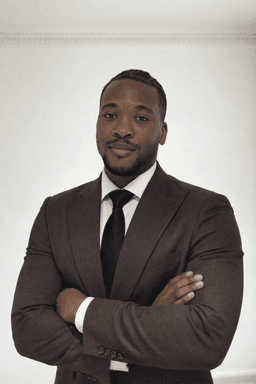
Dr. Adil
Core Psychiatry Trainee · Founder, SymbiosisMed
In one application cycle, I applied to 40 non-training NHS posts and got 10 interview invites. I had to withdraw from five, not because I wasn’t interested, but because I had more interviews than I could take leave for. Getting shortlisted that consistently wasn’t luck. It came from understanding what NHS applications are actually looking for and writing to the person spec rather than past it.
On the interview side: I went from 55% to 82% on my own FY2 standalone score between attempts. That shift didn’t come from more practice; it came from understanding what panels are scoring and replacing preparation that felt reassuring with preparation that actually changed performance. Early 1:1 candidates I supported in FY2 Standalone preparation went on to receive offers. I can’t guarantee outcomes, but I can show you the frameworks that changed how I prepared.
Feedback from FY2 Standalone workshop attendees
What doctors said after attending
2.9 → 4.5
average confidence score / 5
Average confidence shift across 28 attendees in a single session. A +1.6 point movement in one sitting, without any follow-up practice.
"Very realistic and thorough. Detailed insight into what to expect."
FY2 Standalone workshop attendee
"Very useful and specific. Finally understood what the panel is actually looking for."
FY2 Standalone workshop attendee
"Good examples, different scenarios played out. The frameworks made it click."
FY2 Standalone workshop attendee
"Very informative and well-structured. Changed how I was thinking about preparation."
FY2 Standalone workshop attendee
Next workshop
The next session is being scheduled
Common questions
FAQ
Be first in line for the next one
Three hours covering NHS applications and interviews, both bottlenecks in one session. The last session ran on 20 June 2026 — join the waitlist for the next date.
Join the waitlist →P.S.The doctors who keep getting shortlisted and converting NHS interviews aren’t more experienced than you. They’re communicating differently: structure, the right signals, the right order. That’s learnable in three hours. The next workshop is being scheduled, and waitlist members hear first. Join the waitlist →